

Kwame Nkrumah’s Agricultural Vision: Independence Was Never Just Political
How Ghana’s first president envisioned agriculture, processing, and industry as the foundation for true economic independence.
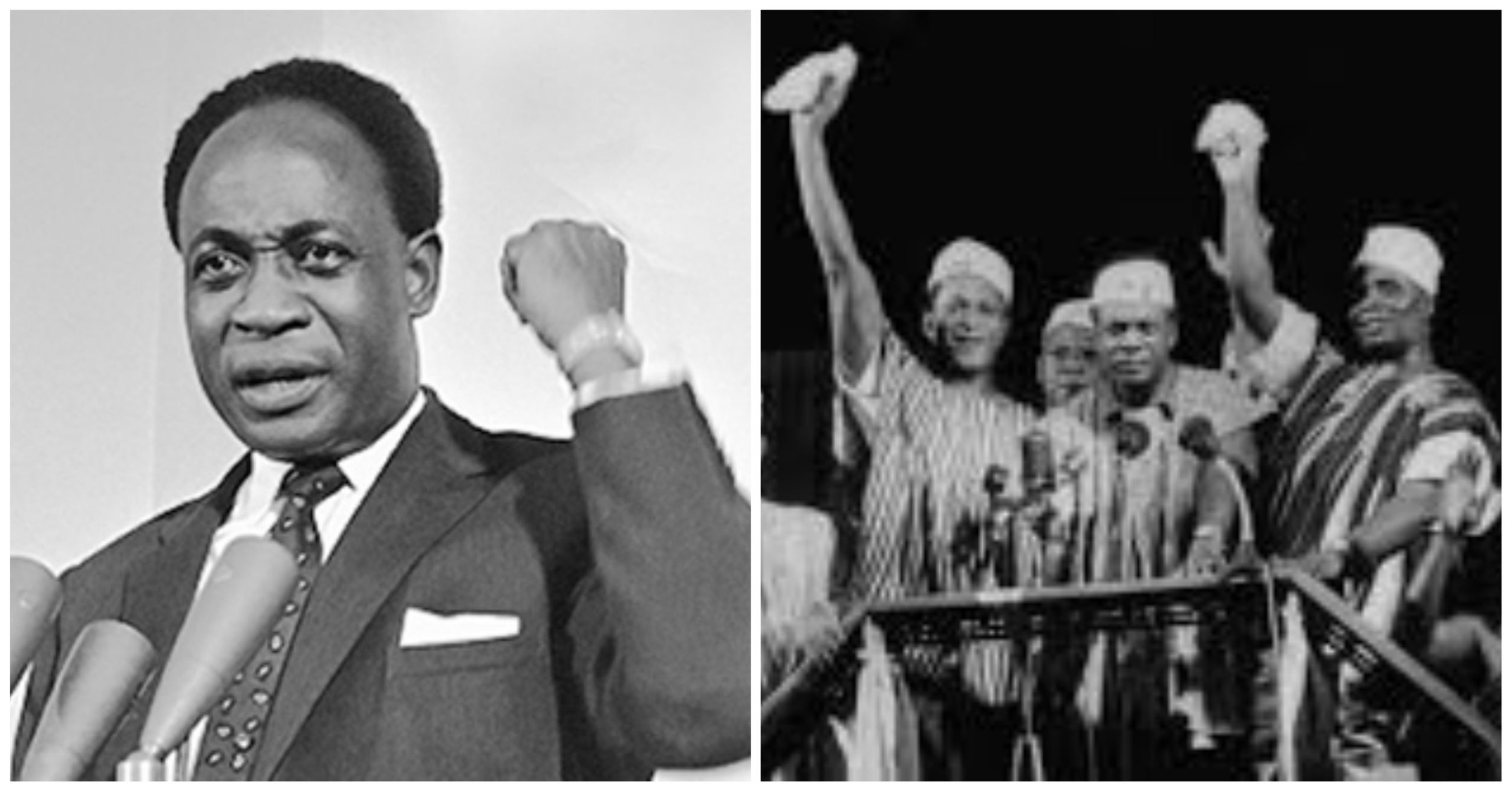
On March 6, 1957, Ghana became the first sub-Saharan African nation to gain independence from colonial rule. As Kwame Nkrumah declared,
“At long last, the battle has ended, and Ghana, your beloved country, is free forever.”
But Nkrumah’s vision extended far beyond political freedom. His ambition was clear: true independence meant economic power, industrial strength, and control over Africa’s resources. Agriculture sat at the centre of that vision. At the time of independence, Ghana was already the world’s leading cocoa producer, responsible for nearly one-third of the global cocoa supply. Yet most of that cocoa was exported in raw form, while Europe captured the real profits through processing and manufacturing. Nkrumah recognised the problem immediately. Africa was rich in resources but poor in industry. And that imbalance had to change.
The Colonial Model Nkrumah Wanted to Break
During the colonial era, African economies were designed around a simple system:
Export raw materials
Import finished goods
Remain dependent on foreign industry
This meant Ghana exported cocoa beans, timber, and minerals, while chocolate, furniture, machinery, and consumer products were manufactured abroad. Nkrumah saw this model as economic dependency disguised as trade. He believed African nations needed to industrialise their agricultural sectors, turning crops into finished goods before export. His philosophy was simple: Africa should not remain the farm for the world; it must also become the factory.
The Agricultural Foundation of Industrialisation
Nkrumah believed agriculture should fuel industrial growth, not just exports.
His government invested heavily in:
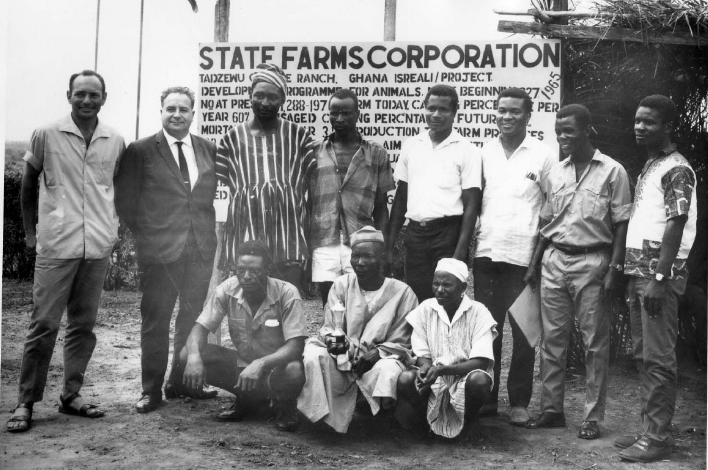
State farms and agricultural modernization
Processing industries linked to crops
Agricultural research institutions
Infrastructure such as roads, ports, and power
These policies were designed to create a domestic value chain where Ghana could process its own resources.
Agriculture was not just about food production; it was the foundation for manufacturing.
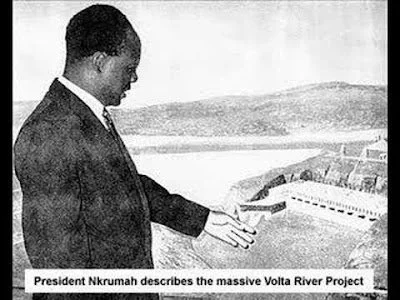
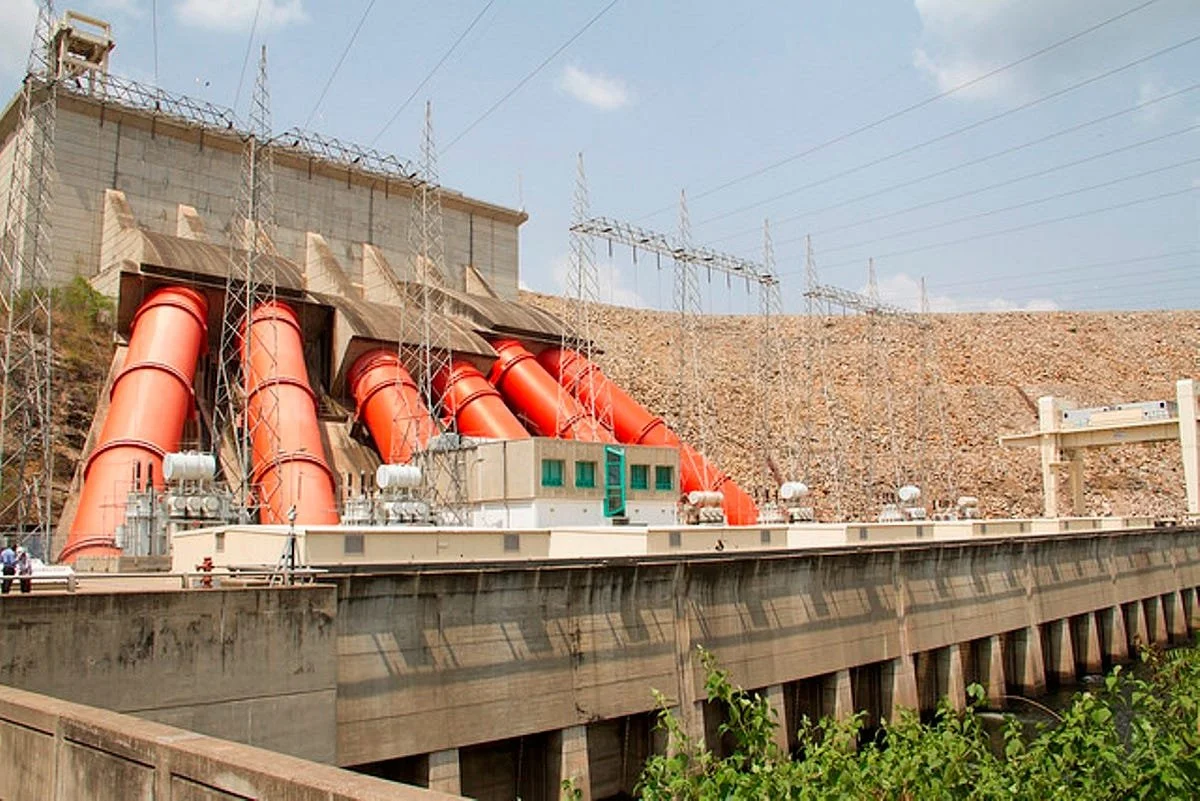
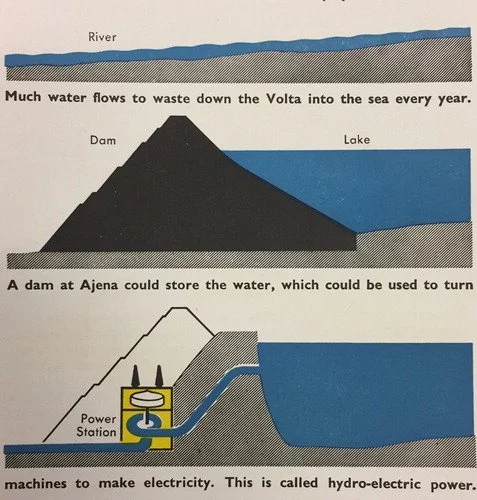
The Volta River Project: Powering Industry
One of Nkrumah’s most ambitious initiatives was the Volta River Project, which led to the construction of the Akosombo Dam. Completed in 1965, the dam created one of the world’s largest man-made lakes and provided massive hydroelectric power capacity.
This electricity was designed to support:
Manufacturing industries
Food processing plants
Aluminium production
Agricultural mechanisation
In other words, energy was meant to power a fully industrialising economy.
A Vision Ahead of Its Time
Many of Nkrumah’s policies were considered radical during the 1960s. Yet today, economists across Africa increasingly recognise that he was addressing a structural issue that still exists today. Africa still exports most of its raw commodities.
For example:
Africa produces around 70% of the world’s cocoa
Yet less than 5% of chocolate is manufactured on the continent
The same pattern exists across the following:
Cashew
Coffee
Cotton
Coconut
Timber
This is exactly the imbalance Nkrumah warned about over 60 years ago.
Why This Conversation Matters Today
As global demand for agricultural commodities continues to rise, African nations are once again discussing the following:
Local processing
Value addition
Industrialisation
Supply chain independence
These ideas echo the very same blueprint that Nkrumah proposed decades ago.
His message remains clear:
Political independence without economic transformation remains incomplete.
Coming Next in the Series:
Part 2: How Nkrumah Tried to Build Africa’s Processing and Manufacturing Economy
We will explore:
Ghana’s early industrial projects
Cocoa processing initiatives
Agricultural cooperatives and state farms
Why some of these systems struggled, and what lessons they offer today
At Styyer Commodities Trade & Consultancy, we believe Africa’s agricultural future lies in strong supply chains, transparent sourcing, and value-added processing.
To explore sourcing partnerships or commodity supply opportunities:
📧 info@styyer.com
🌐 www.styyer.com
