

Ghana cuts cocoa producer price: what it means for farmers, buyers, and the market
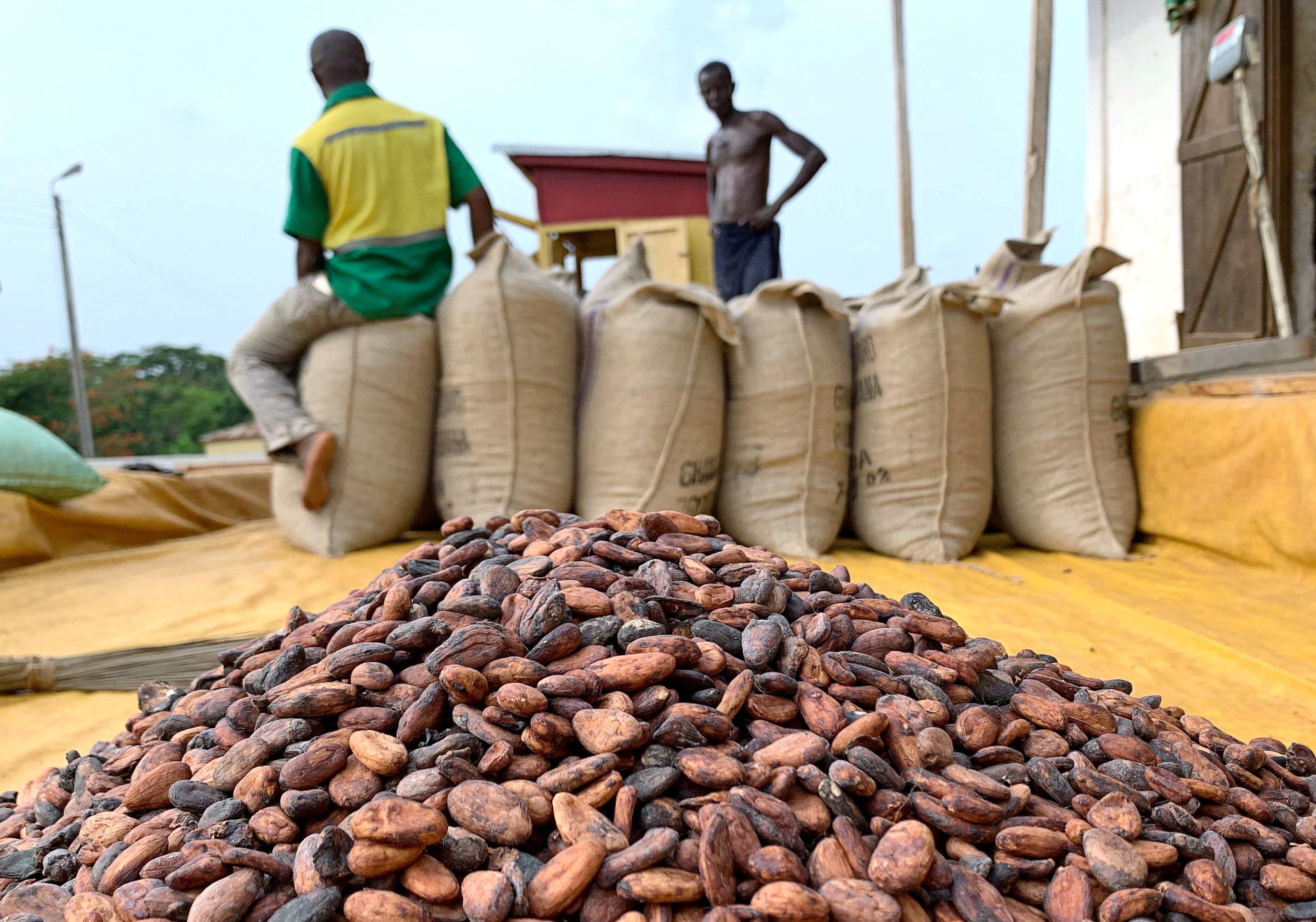
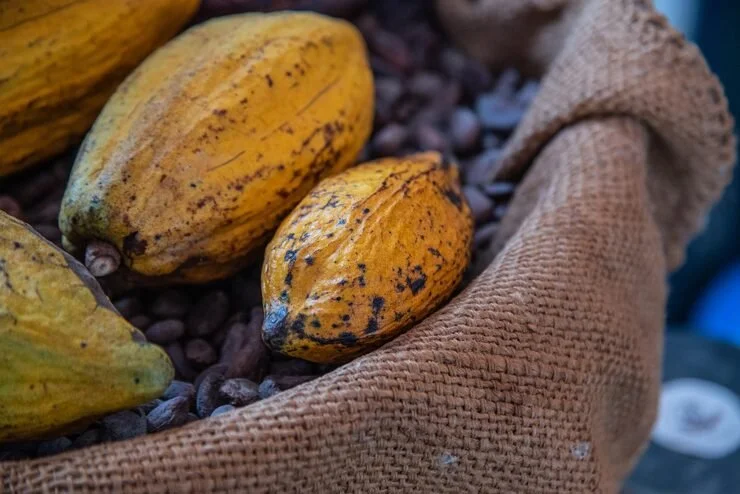
Ghana has reduced the cocoa producer (farmgate) price for the remainder of the 2025/2026 crop season, resetting the market at a sensitive moment for the sector. For farmers, it’s a direct income cut. For the wider system, it’s a signal that global price reality and COCOBOD liquidity pressure are now driving urgent decisions. This isn’t just a pricing headline. It’s a trust and cash flow story because even a “good” price becomes meaningless if payments arrive late.
Here are the key figures shaping the conversation:
New producer price:GH¢41,392 per tonne
Per 64kg bag:GH¢2,587
Prior rate referenced: about GH¢3,625 per 64kg bag
Change: a steep drop from earlier-season pricing (with the October adjustment reportedly aimed at reducing smuggling risk).
Global reference points being cited in public discussion:
International cocoa prices cooled after a period of extreme highs (with public commentary noting prices once went above US$10,000/tonne during the 2023–2025 surge).
Officials and media reporting cite international prices falling to around the US$4,100/tonne range in early 2026.
Public sentiment is split, and that split matters because it predicts behaviour.
1) “This is necessary; prices follow global markets.”
Some voices argue cocoa pricing must respond to global market forces and that keeping prices artificially high creates losses that eventually explode into bigger problems.
2) “Farmers are being squeezed, especially with payment delays.”
A recurring theme in the posts you shared is not only the lower price but also delayed payments. Farmers highlight the real-life knock-on effects: school fees, hospital bills, food, and funding the next farming cycle. When money is delayed, families struggle, full stop.
3) “Buyers are avoiding Ghana because prices are high.”
One widely shared media claim says international buyers are increasingly shying away from Ghanaian cocoa due to higher prices compared to other origins (attributed to COCOBOD in a radio/press context). That feeds directly into the competitiveness argument.
4) “Value addition is the long-term solution.”
Several voices push the line that Ghana should process more cocoa locally for more jobs, more retained value, and less dependence on external price-setting dynamics. The ambition is solid. The execution is the real test.
5) Warning signs: farmers considering selling farms to galamseyers
A headline you shared points to a serious risk: farmers threatening to sell farms due to delayed payments. If that trend grows, it becomes an environmental, social, and production crisis, not just a cocoa issue.
Styyer Market Lens
This price cut is being framed as a competitiveness and liquidity reset, and on paper, that makes sense. But the cocoa economy doesn’t run on press conferences; it runs on farmer confidence and payment discipline.
If farmers believe the system will pay them promptly and fairly, they keep maintaining farms and selling through the right channels. If they don’t, you get quiet resistance: delayed selling, side-selling, weaker farm upkeep, and, in the worst cases, permanent exits.
In short: a lower price can be survivable. A broken payment culture is not.
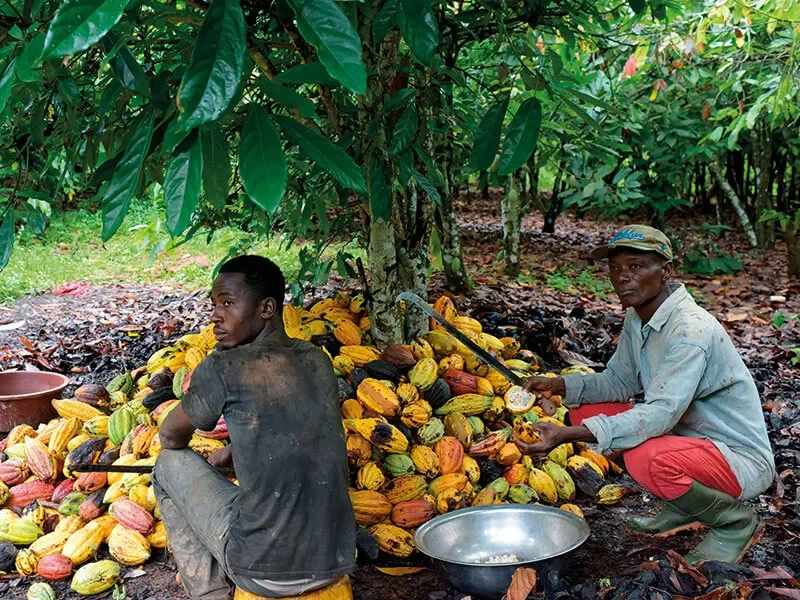
What changes on the ground and in the trade?
1) Farmer income falls immediately (negative)
A price cut of this size reduces household cash flow fast. With input costs still high, many farmers will:
reduce farm maintenance,
delay rehabilitation,
or cut back on labour.
That is how you get lower yields later.
2) Competitiveness may improve (potentially positive)
If Ghana was being perceived as expensive versus alternative origins, this adjustment could help:
defend market share,
stabilise contracts,
and reduce the “Ghana premium vs. competitors” gap.
3) Smuggling risk depends on the regional gap (risk factor)
If neighbouring markets offer meaningfully better returns, informal cross-border selling becomes more tempting. If the gap is small, the risk reduces. Price cuts don’t eliminate smuggling; they change incentives.
Reality Check: “Immediate effect” doesn’t always mean immediate compliance
Although the new producer price has been announced as effective immediately, behaviour on the ground may adjust more slowly. Some farmers may resist selling at the lower rate right away, especially if they are hoping for a revised arrangement later in the season or if they feel the cut is unfair given their costs.
This matters because any delay in farmer selling (or increased holding of stock) can create short-term bottlenecks in the supply chain and increase the risk of informal trading channels. For the market, it’s a reminder that policy changes must be matched with practical incentives, particularly timely payments, to ensure smooth adoption.
Key point: The market will quickly see whether the new price “sticks” through actual buying activity not just official announcements.
4) Payment speed becomes the real battlefield (deciding factor)
This is the pivot point:
If payment timelines improve, the cut might be tolerated as a stabilisation move.
If payment delays continue, farmer resentment deepens and production behaviour worsens.
5) Pressure to accelerate domestic processing (strategic implication)
This price episode strengthens the political and economic case for local processing, but that only works if Ghana can guarantee:
reliable power and cost control,
financing and working capital,
export-grade quality systems,
and consistent offtake contracts.
Otherwise, local processing becomes an expensive slogan.
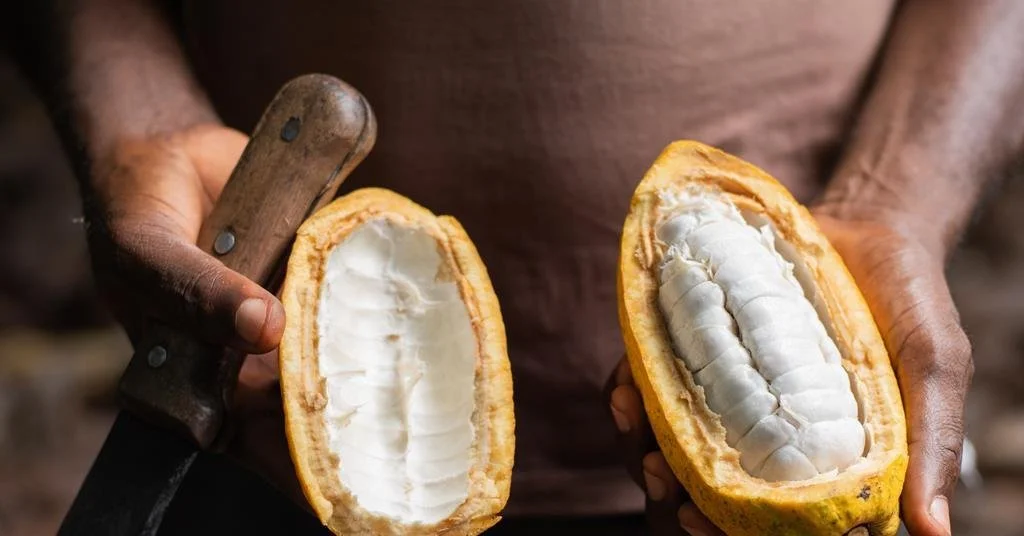
What to watch
These indicators will tell you whether the sector stabilises or drifts into deeper trouble:
Payment cycle time (weeks, not promises): Are farmers being paid promptly after delivery?
Farmer maintenance behaviours are farmers pruning, spraying, and rehabbing or disengaging?
Cross-border price gap: Does the new price reduce smuggling incentives or widen the gap?
Quality signals: Defect rates, moisture issues, and rejections can reveal reduced farm investment.
COCOBOD liquidity and financing execution: not announcements, but actual cash flow through the chain.
Land-use drift toward illegal mining: A long-term production risk and policy emergency.
Key points recap
Ghana’s cocoa producer price has been cut to GH¢41,392/tonne (GH¢2,587 per 64 kg bag).
The adjustment is tied to falling global prices, competitiveness concerns, and liquidity pressure in the cocoa system.
Payment delays are a major driver of farmer frustration, often more painful than the price cut itself.
The market impact depends on execution: faster payments + farmer support = stability; delays + weak support = production risk.
Watch payment speed, cross-border price gaps, quality metrics, and signs of farm exits (including illegal mining pressure).
FAQs: Ghana cocoa producer price cut
These are the most common questions buyers, farmers, and industry observers are asking right now.
1) Why did Ghana reduce the cocoa producer price?
Ghana’s producer price typically tracks global cocoa market conditions. As international prices cooled from the unusually high levels seen between 2023 and 2025, Ghana adjusted farmgate pricing to protect competitiveness and reduce liquidity strain in the cocoa system.
2) What is the new producer price per bag and per tonne?
The revised producer price is GH¢41,392 per tonne, equivalent to GH¢2,587 per 64kg bag, effective for the remainder of the 2025/2026 season.
3) Does “effective immediately” mean farmers will sell at the new price right away?
Not always. In practice, some farmers may delay selling or hold stock if they hope for a revision, disagree with the change, or are managing cashflow timing. That’s why payment speed and enforcement/incentives are crucial for smooth adoption.
4) Will the price cut reduce smuggling to neighbouring countries?
It depends on the price gap across borders. If neighbouring offers remain higher, smuggling incentives can persist. If prices align more closely, smuggling risk may reduce.
5) How do payment delays affect cocoa farmers?
Delays squeeze households and reduce farmers’ ability to reinvest in farm maintenance, inputs, and labour. Over time, this can weaken yields, quality, and long-term production.
6) Can domestic processing protect Ghana from global price swings?
Local processing can retain more value and create jobs, but it requires reliable power, competitive costs, financing, strong quality systems, and guaranteed offtake. Without those, processing expansion struggles to scale.
