

Coconut Bio-Innovation: Turning Waste into Wealth
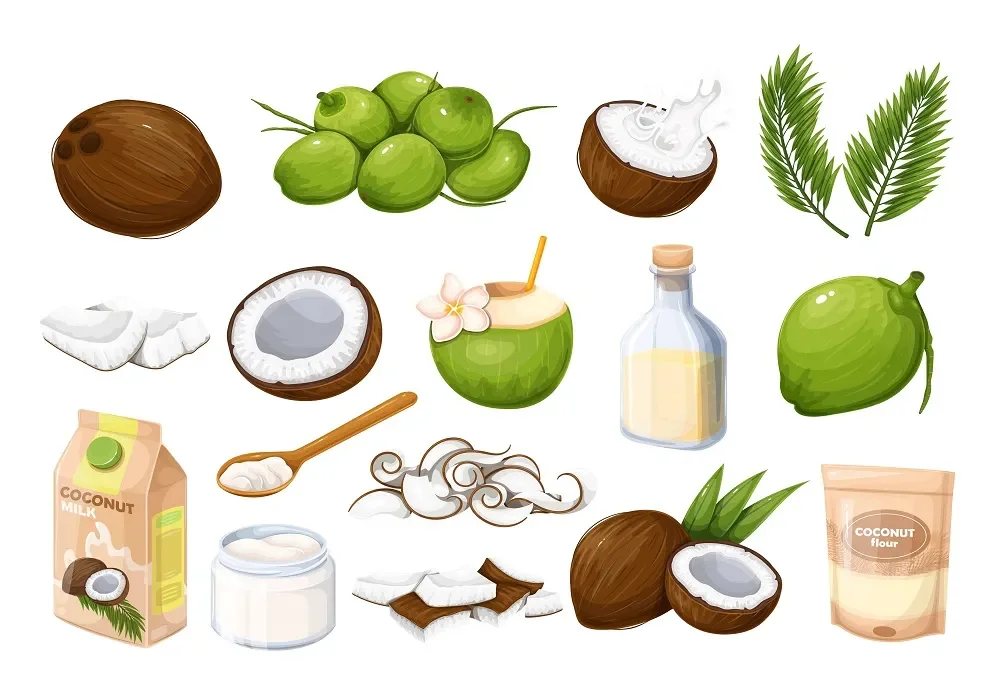
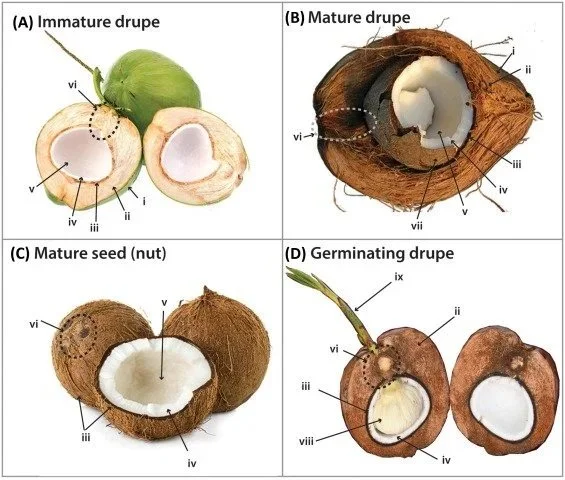
Sustainability isn’t a slogan anymore; it’s a supply chain strategy. In the past, much of the coconut went to waste once its oil or milk was extracted. Today, that “waste” has become the foundation for a new industrial economy built on circular thinking, green innovation, and responsible trade. From energy briquettes in Ghana to coir fiber composites in India and biodegradable packaging in Brazil, coconut by-products are proving that sustainability and profitability can grow from the same shell.
The rise of bio-innovation from by-products
The modern coconut plant is an innovation ecosystem in itself:
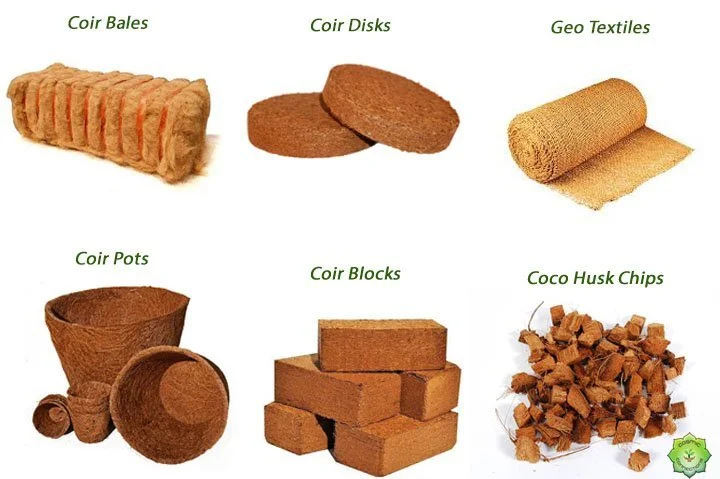
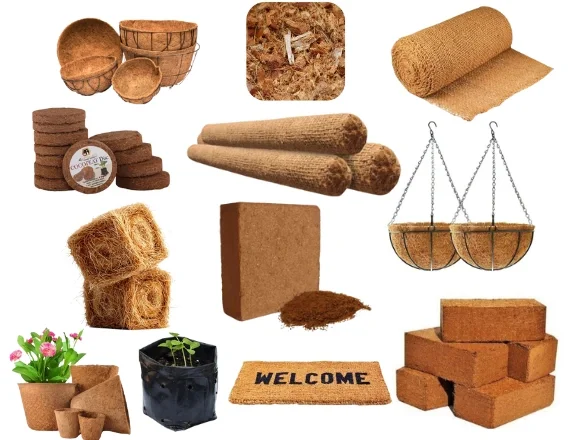
Husks → Coir Fiber & Peat: Used in soil conditioning, hydroponic farming, erosion control, and even automotive interiors.
Shells → Charcoal & Activated Carbon: Key inputs for water filtration, cosmetic scrubs, and clean-energy briquettes.
Water & Skim Milk → Fermented Products: Utilized in wellness and probiotic beverages.
Leaves & Stems → Biomass & Handicrafts: Supporting small-scale manufacturing and energy recovery systems.
Each output adds economic value, reduces landfill, and cuts carbon emissions, a win for producers, processors, and the planet alike.
Asia, Africa, and South America: the new bio-value triangle
Asia has long led in coconut utilization, with the Philippines, Indonesia, and India exporting not just oil but also coir mats, peat, and carbon products. These industries now employ over 5 million workers and are expanding toward higher-value biopolymers.
Africa is catching up fast. Ghana, Tanzania, and Mozambique are investing in small-scale carbonization and coir-processing units, turning what was once agricultural residue into exportable goods.
South America, led by Brazil and Colombia, is developing renewable energy initiatives around coconut shell briquettes and activated carbon, creating an emerging trade corridor with Europe and North America.
Together, these regions are redefining what a “resource economy” looks like, shifting from extraction to innovation.
Briquettes: small form, big impact
One of the most visible success stories in coconut bio-innovation is coconut-shell briquettes.
They burn longer, emit less smoke, and produce less ash than traditional charcoal, making them ideal for both domestic cooking and industrial heating.
Demand is particularly strong in Asia’s hospitality sector and South America’s energy markets, where eco-certified briquettes are replacing wood-based charcoal.
At Styyer, we work with verified producers across West Africa to standardize briquette production, ensuring consistent carbonization quality, moisture levels, and packaging integrity meeting ISO and export benchmarks.
Circular trade, compliant systems
Bio-innovation only works if it’s built on compliance and traceability, the two principles Styyer has made non-negotiable.
Our approach to sustainable coconut trade includes:
Supplier verification: We partner only with processors using clean carbonization and low-emission drying systems.
Testing: Independent lab checks for calorific value, moisture, and volatile content in briquettes and activated carbon.
Traceability: Batch coding and origin mapping to verify authenticity for eco-certification programs.
Training: Supporting cooperatives in record-keeping, packaging standards, and safe waste handling.
This is how we turn sustainability from a concept into a documented reality.
Innovation beyond energy
Beyond fuel, coconut waste is powering multiple sectors:
Agriculture: Coir peat and coco chips improve soil health and water retention.
Textiles & Construction: Coir fiber is used in geotextiles, mats, boards, and eco-panels.
Health & Beauty: Activated carbon and shell powder are finding use in filters, scrubs, and detox products.
Packaging: Start-ups in India and Brazil now convert coconut husks into biodegradable packaging to replace plastic foams.
Each new application expands market demand, proving that innovation grows fastest when built on natural cycles.
Outlook: the business of regeneration
As governments tighten environmental regulations, coconut by-products are transitioning from “alternative” to “essential”. Analysts project the global coconut derivatives and bio-products market to exceed USD 46 billion by 2030, with biofuels and coir products driving much of that growth. For producers and traders, the message is clear: the next frontier in agriculture isn’t extraction; it’s regeneration.
Styyer Insight
“In the coconut trade, nothing should go to waste. Every husk, shell, and fibre has value if you have the system to prove it. At Styyer, we’re building that system across Africa, Asia, and South America, one traceable shipment at a time.”
— Styyer Commodities Trade & Consultancy (SCTC)
