

What is cashew outturn?
A Simple Guide for Buyers
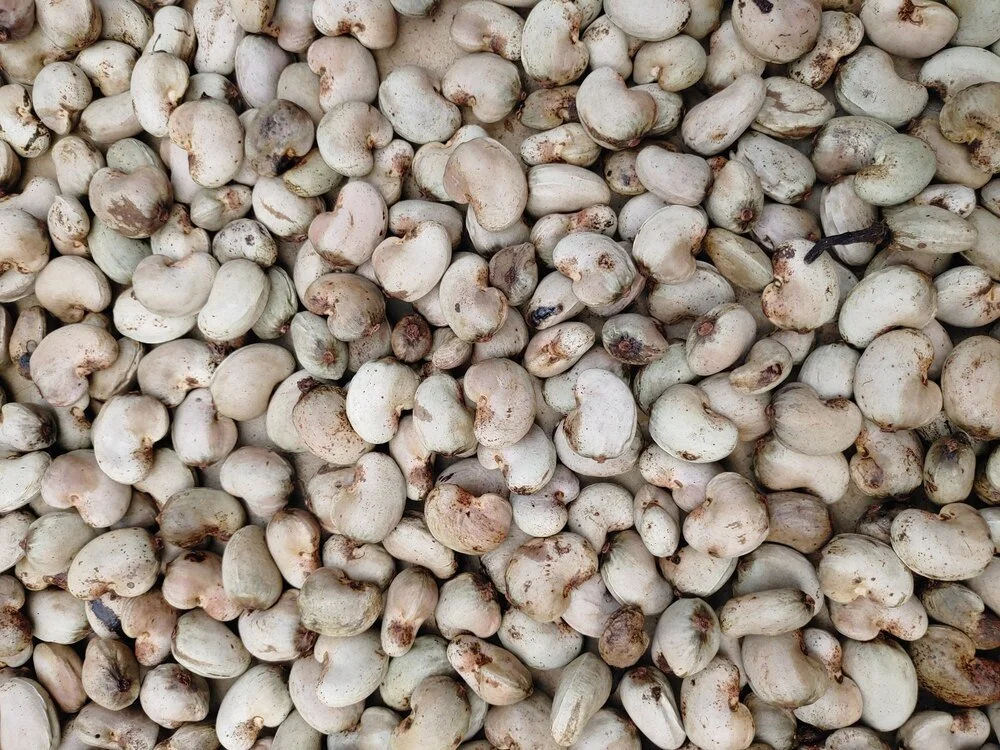
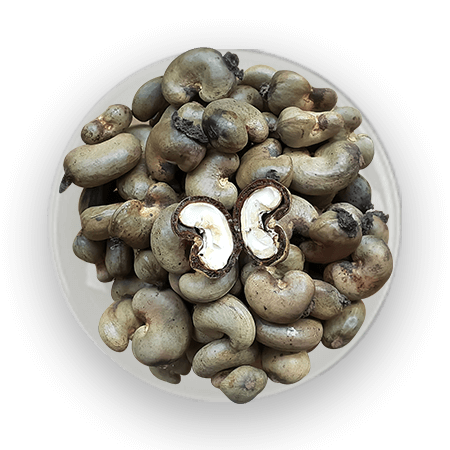
If you’ve ever bought or traded cashews, you’ve probably heard the word “outturn.” It sounds technical, but it’s actually a very practical idea: outturn is a yield and quality indicator that estimates how much usable cashew kernel you can recover from raw cashew nuts (RCN) after processing.
In other words, outturn helps answer one key question:
“From this bag of raw cashews, how many export-grade kernels am I likely to get?”
The common industry meaning
In cashew trading, outturn is most often expressed as: lbs of kernels per 80 kg bag of raw cashew nuts
So when someone says “Outturn 48”, they typically mean that an 80 kg bag of raw cashews is expected to produce about 48 lbs of kernels after shelling, peeling, drying, and grading.
Why outturn matters
Outturn is important because it’s a shortcut for value. A higher outturn usually means:
Better kernel recovery (more sellable kernels from the same raw input)
Lower waste and fewer rejects
More consistent processing performance
Often, better pricing power for the seller and better predictability for the buyer
Think of it as an early signal of whether a batch is “money” or “stress.”
What affects outturn?
Outturn isn’t just luck. Several factors can push it up or down:
Nut size & density
Well-filled nuts generally yield more kernel.Moisture content
Too much moisture can lead to spoilage or processing issues; too little can increase breakage.Defects and damage
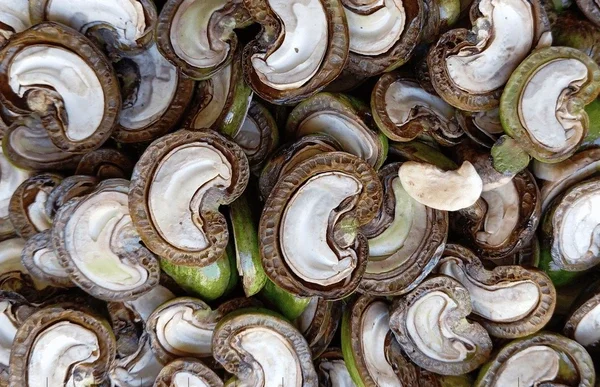
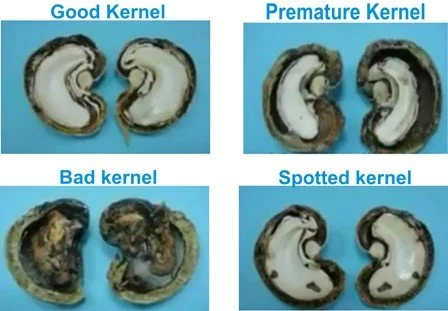
Mould, insect damage, immature nuts, and poor drying reduce usable yield.Processing efficiency
Even with the same raw nuts, different factories can get different results depending on equipment, skill, and quality control.Storage and handling
Poor storage can cause quality deterioration before processing even begins.
Outturn vs. “W Grades” (W180, W320, etc.)
Outturn and kernel grades are related, but they are not the same thing:
Outturn is about the expected kernel yield from raw nuts.
W-grades (like W180 and W320) classify the size and type of the final kernel (e.g., “White Whole”), usually based on how many kernels per pound.
A strong outturn can support production of more high-value kernels, but the final grade mix still depends on handling and processing (especially breakage control).
Typical outturn ranges
Outturn values vary by origin, season, and handling. What matters most is consistency and verified results (e.g., cutting tests, lab checks, or processor feedback), not just the number printed on paper.
A buyer-friendly way to use outturn
If you’re buying cashews (or sourcing for clients), here’s the smart approach:
Treat outturn as a first filter, not the final verdict.
Pair it with quality checks: moisture, defect tolerance, and sample verification.
Ask for clarity on how the outturn was determined (and whether it’s from a cutting test or historical processing performance).
Bottom line
Outturn is a practical indicator of how much kernel value you can recover from raw cashews. The higher and more reliable the outturn, the more predictable your yields and costs become, and predictability is profit’s best friend.
